
Certified Energy Auditing Professional (CEAP) Workshop - 4 Days
5 0 Reviews
Enrollment for this course is currently closed.

Start Date: Nov 23, 2026
End Date: Nov 26, 2026

USD 1800 (≈ QAR 6552)
Time: 8:00 AM - 4:00 PM

Location:
The Certified Energy Auditing Professional (CEAP) Training Program is a comprehensive, industry-aligned certification course designed to equip professionals with the expertise to conduct rigorous energy audits, develop data-driven energy strategies, and implement sustainable solutions across diverse sectors. Spanning 12 core modules, the program blends theoretical knowledge with practical skills—covering everything from audit planning and energy analysis to technical system optimization and economic justification. Aligned with global standards (e.g., ISO 50001, ASHRAE 211), this course prepares participants to lead energy-efficiency initiatives, reduce operational costs, and meet compliance requirements.
Disclaimer → GORD reserves the right to make alterations to the workshop program, venue, timings and date at any time without any liability on GORD towards individuals or organizations enrolling in the workshop.
$ 1800
Course Curriculum
Lecture: 1 Module 1: Introduction to Energy, Energy Audits

Lecture: 2 Module 2: Energy Audit Strategy and Plan, Energy Use Analysis
Lecture: 3 Module 3: Data Collection and Analysis
Lecture: 1 Module 4: Economic Analysis
Lecture: 2 Module 5: Building Envelope
Lecture: 3 Module 6: Heating Ventilation and Air Conditioning Systems
Lecture: 4 Module 7: Lighting Systems
Lecture: 1 Module 8: Domestic Hot Water Systems
Lecture: 2 Module 9: Motors & Drives
Lecture: 3 Module 10: Compressed Air Systems
Lecture: 1 Module 11: Building Automation Systems, Energy Management & Control Systems
Lecture: 2 Module 12: Alternative Generation & Storage
Lecture: 3 Module 13: Transport
What you will Learn
| By completing this program, you will learn: | |||
| 1. Audit Lifecycle knowledge | |||
| Plan end-to-end energy audits, define project scopes, assemble cross-functional teams, and communicate findings to stakeholders. | |||
| Draft professional audit reports and support ISO 50001 Energy Management System implementation. | |||
| 2. Data-Driven Energy Analysis | |||
| Establish utility baselines, analyze energy usage patterns, and benchmark performance against industry standards. | |||
| Use statistical methods (e.g., regression analysis) and tools to identify savings opportunities. | |||
| 3. Technical System Expertise | |||
| Audit and optimize critical systems: | |||
| Lighting: Evaluate efficacy, calculate power density, and recommend efficiency upgrades. | |||
| HVAC/Heating/Ventilation: Assess equipment efficiency, control strategies, and maintenance practices. | |||
| Motors/Compressed Air: Analyze motor performance, compressed air leaks, and variable frequency drive (VFD) applications. | |||
| Building Envelope: Evaluate insulation, air infiltration, and window efficiency. | |||
| Automation & Controls: Interpret sensor data, trend logs, and optimize building management systems (BMS). | |||
| 4. Economic Viability Assessment | |||
| Conduct financial analyses (NPV, IRR, LCCA) to justify energy projects and demonstrate ROI to decision-makers. | |||
| Perform sensitivity analysis and scenario planning for long-term project success. | |||
| 5. Specialized Capabilities | |||
| Evaluate alternative energy technologies (renewables, storage) and transportation energy efficiency (fuel optimization, route planning). | |||
| Integrate water conservation and waste reduction strategies into energy audits | |||
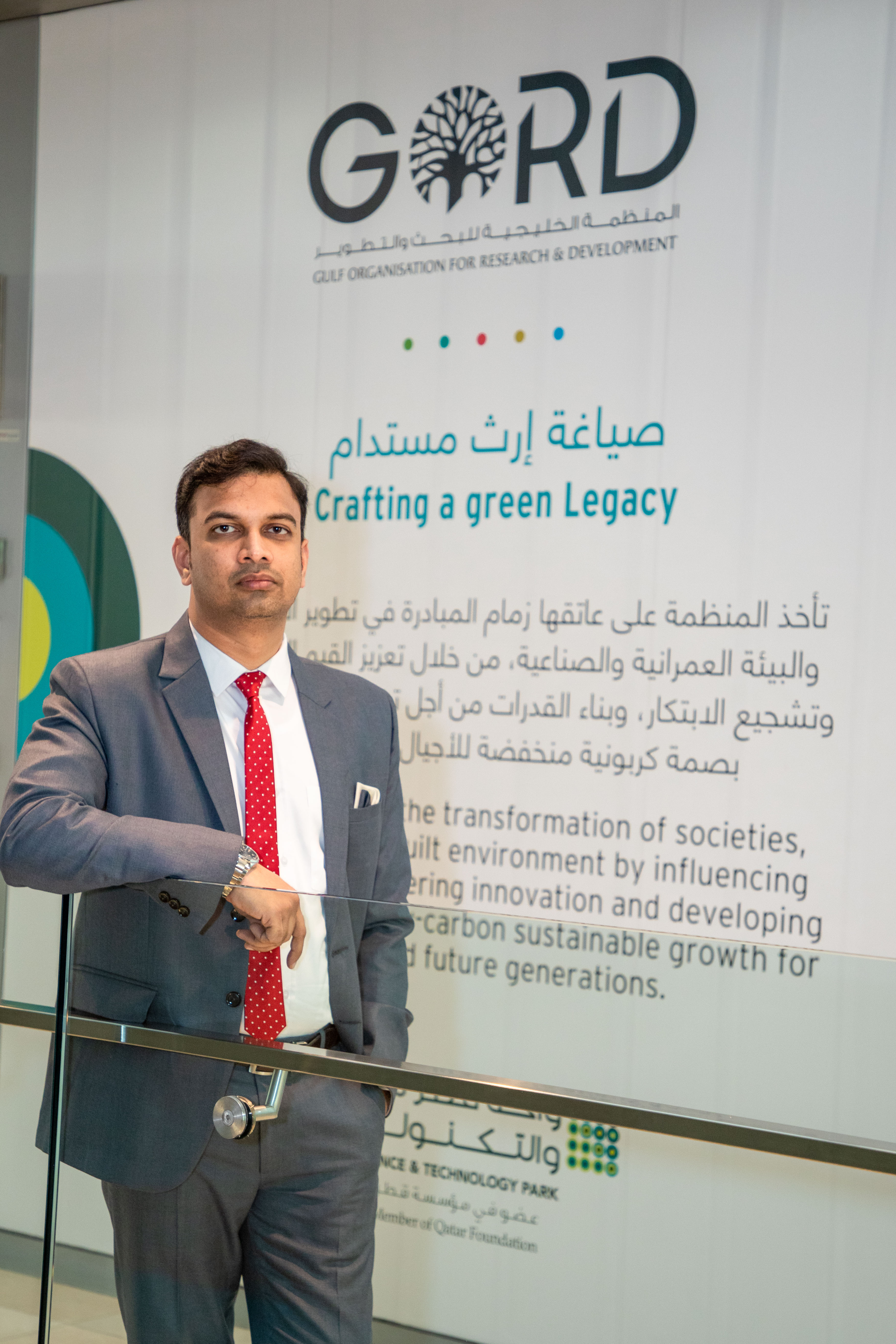
Instructors


Course Features
Duration:
32.0 hours
Fees:
USD 1800 (≈ QAR 6552)
Learning Hours (LH):
Language:
English
Experience Level:
Intermediate
Accreditation:
Global Sustainability Board (GSB)
Course Type:
Professional Courses
Status